Starting a 3D printing business: validate demand before buying more machines
بدء مشروع للطباعة ثلاثية الأبعاد: تحقّق من الطلب قبل شراء مزيد من الطابعات
By Let’s 3D Studio · 2 min read
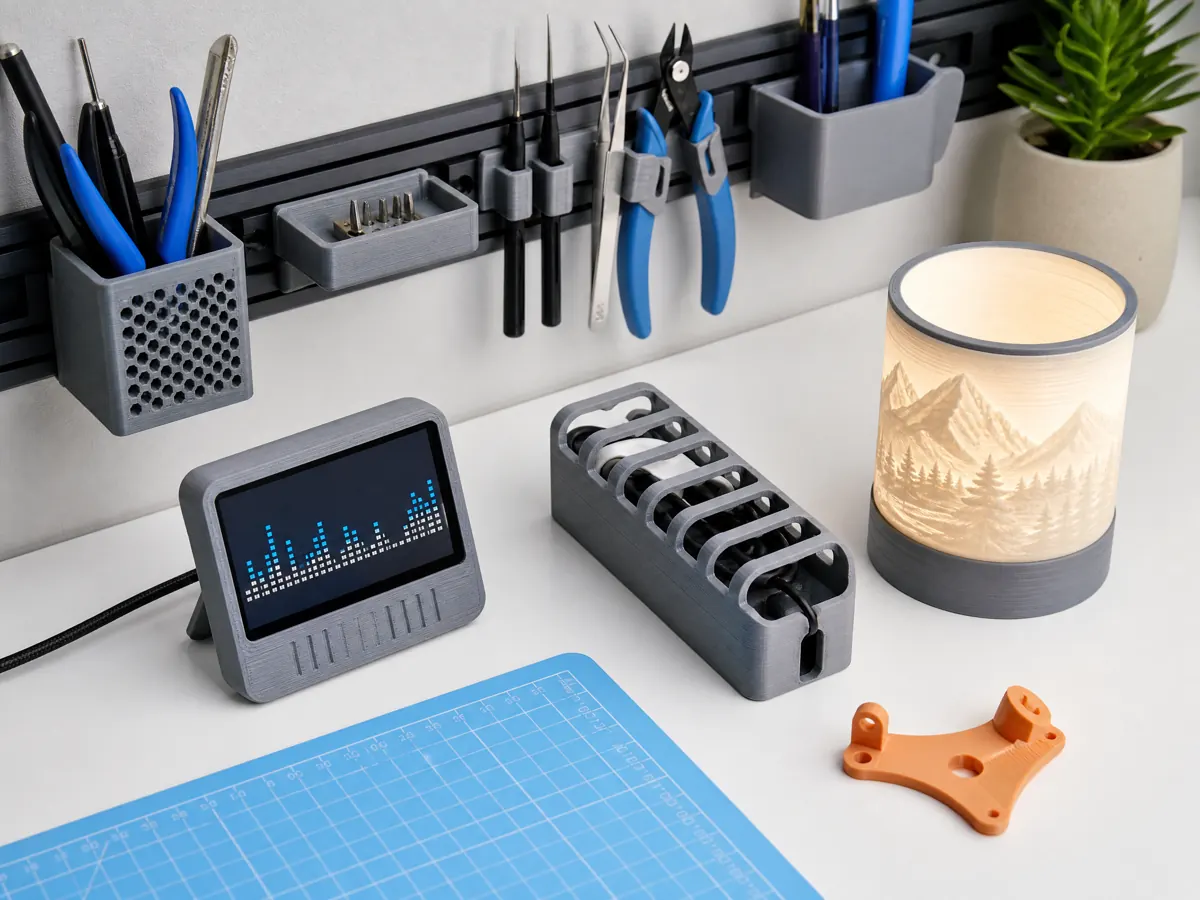
A small 3D printing business begins with a useful customer problem, not with a fleet of machines. A local fixture, custom organizer, prototype iteration service, educational model, or specialized product line can be viable when the buyer understands the value. Generic printing at the lowest price is difficult to sustain because material cost is only one part of the work.
Pick a narrow first offer
Describe the buyer, their recurring problem, the object or service you will deliver, and the boundary of what you will not promise. A workshop may value a repeatable jig. A small brand may value fast prototype feedback. A customer may need a measured replacement aid, but you should not claim certification, safety performance, or material suitability without evidence.
Talk with prospective customers before expanding equipment. Ask what they use now, what delays them, what dimensions and finish matter, and how they decide whether a part is acceptable. A small paid pilot or a carefully scoped sample teaches more than a large inventory of untested product ideas.
Know the real work in a quote
Track design time, communication, material, machine time, setup, post-processing, packaging, failures, payment fees, delivery, and customer support. Add a clear revision policy. A print may take three hours of machine time but also require thirty minutes of cleanup and several messages; treating only filament as cost will make the work appear profitable when it is not.
| Operating area | Practical record |
|---|---|
| Job intake | Customer need, dimensions, use environment, file status, and agreed scope |
| Production | Material, profile, machine, start time, checks, and deviations |
| Quality | Acceptance criteria, photos, measurements, and rework decision |
| Finance | Quoted amount, actual time, material use, fees, and margin review |
Build quality into the workflow
Use stable, versioned material profiles and inspect the first layer. Keep calibration, maintenance, and spool storage records. Define what counts as an acceptable cosmetic surface, dimensional fit, and delivery state before a customer receives a quote. Do not promise turnaround times you cannot support with the current queue and maintenance schedule.
Respect intellectual-property, safety, consumer, tax, and product-liability rules that apply where you operate. Do not reproduce a customer’s design without permission. Avoid medical, load-bearing, electrical, child-safety, or regulated claims unless you have the required evidence and professional guidance.
Grow only after the first offer is repeatable. A documented process, a small number of satisfied transactions, and clear quality limits are a stronger foundation than adding machines before you know what customers will pay for.