FDM vs resin printing: choose the process for the object, finish, and workflow
طباعة FDM أم الراتنج: اختر العملية للقطعة والتشطيب وسير العمل
By Let’s 3D Studio · 3 min read
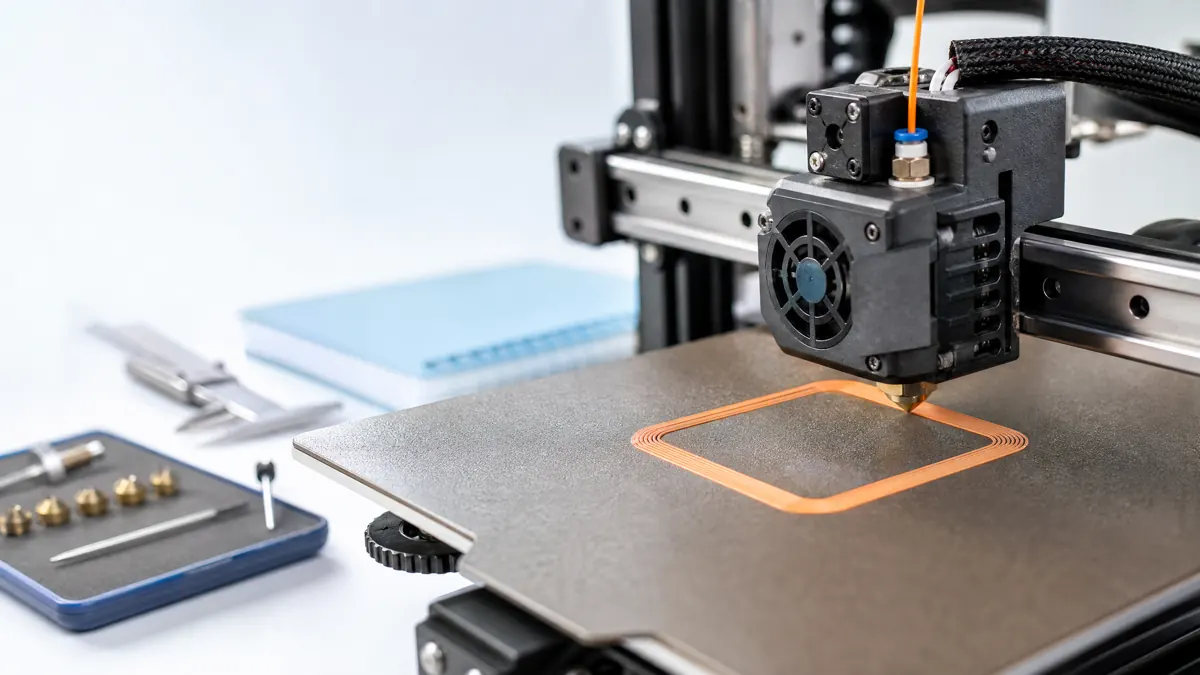
FDM and resin printing are both useful additive-manufacturing processes, but they ask different questions of the maker. FDM deposits melted thermoplastic layer by layer. Resin systems selectively cure liquid photopolymer and then require washing, curing, and careful handling of uncured material. The best choice is not the process with the sharpest marketing image; it is the one whose object quality and daily workflow fit your project.
Start with the part, not resolution
FDM is a strong starting point for practical fixtures, organizers, brackets, enclosures, prototypes, and large simple forms. It offers a broad range of engineering-oriented thermoplastics and a comparatively direct workflow: slice, print, remove supports if needed, and finish. Layer lines are visible, but they can be used deliberately or reduced through orientation, smaller layers, and post-processing.
Resin printing excels at very fine surface detail, small text, intricate forms, miniatures, dental and jewelry workflows using purpose-specific resins, and smooth masters. The printed surface can be exceptionally refined, but the workflow is not simply press-and-print. Uncured resin requires gloves and eye protection appropriate to the product safety data, a ventilated workspace, wash liquid management, post-curing, and disposal according to local rules and manufacturer guidance.
| Consideration | FDM | Resin |
|---|---|---|
| Typical strength of workflow | Functional thermoplastic parts and larger objects | Fine detail and smooth small forms |
| Cleanup | Remove supports, manage strings or surface finish | Wash, cure, handle uncured material and contaminated consumables |
| Material environment | Many practical thermoplastics | Photopolymer properties vary widely by resin formulation |
| Workspace | Heated moving components and filament storage | Chemical-handling, ventilation, wash, cure, and waste-management setup |
Detail, strength, and geometry
Resin can reproduce small decorative features and fine textures with less visible layering at small scale. FDM can create very strong parts when orientation, wall count, material, and load path are designed intentionally. Neither process makes a part universally strong: a resin described as tough is not interchangeable with a specific thermoplastic, and an FDM part’s layer direction still matters.
FDM supports tend to be easier to understand on many functional parts, while resin supports may be necessary to control suction forces, islands, and surface quality. Resin hollowing also needs drainage and cleaning consideration so uncured resin is not trapped inside. Treat hollowing and drainage as a safety and finishing issue, not only a way to save material.
Choose the workflow you can sustain
An FDM station needs a stable surface, appropriate ventilation for the material, safe management of hot components, and dry filament storage. A resin station needs all of the normal printer space plus a defined clean/dirty workflow. You need a place for fresh resin, a wash process, a cure process, gloves, protected surfaces, and labeled waste containers. Never pour resin or contaminated wash liquid into household drains.
For a first machine, choose FDM when you want useful objects and a straightforward learning path. Choose resin when the detail requirement is central and you can commit to the required handling discipline. Many studios eventually use both, but they should be treated as distinct workstations with their own materials, risks, and finishing habits.
The right process is the one that produces the object you need while respecting the time, space, and safety practices you can maintain every print.